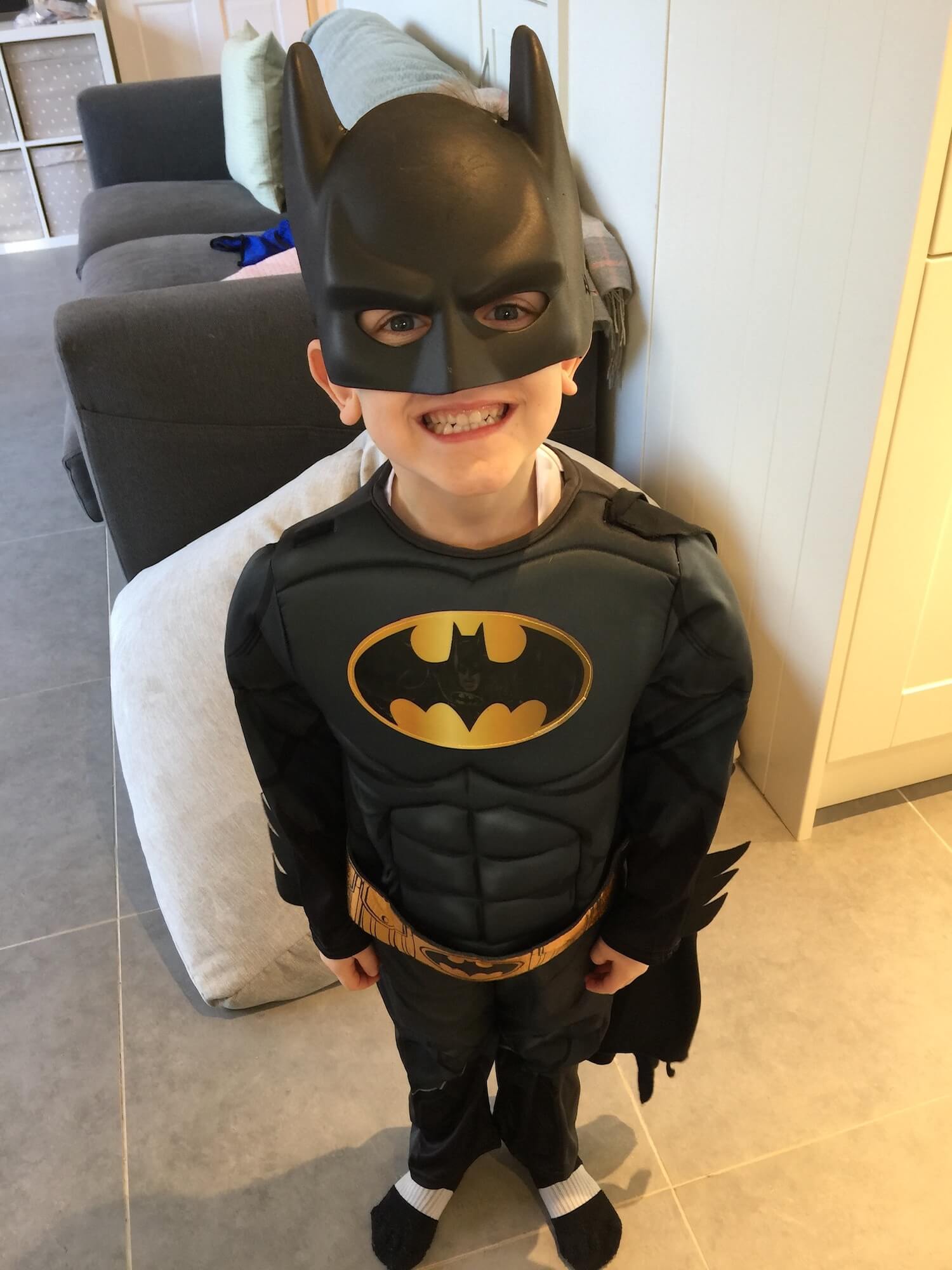
On the 13th of May 2020, our world split in two. Our six-year-old son Dylan — football-mad, full of mischief, the boy who never stopped moving — was diagnosed with an incurable brain tumour. The consultant's words felt impossible, and yet there they were, in a hospital room that smelled of hand gel and certainty we didn't have.
One of the first things we were offered was sugar. Not unkindly — a nurse, trying to bring a moment of comfort, asked if Dylan might like a sugary drink, a chocolate bar, anything to tempt him. When you're six and your world has just shrunk to a ward, you should be allowed sweets. But we asked a quiet question instead: could food help? Could what Dylan ate give him a fighting chance to feel strong, whatever lay ahead?
The consultant listened, and told us gently, "You're already doing all you can." We disagreed in the politest way a frightened family can — we went home and we learned. We read about paediatric oncology and nutrition until the jargon became a language. We cooked like our lives depended on it, because in a sense they did. Cottage cheese folded into pancakes. Vegetables hidden and blended and reimagined. Every plate a small act of defiance.
And something remarkable happened. Dylan's blood work stayed strong — week after week, treatment after treatment, the numbers came back better than anyone expected. He had energy for the things that mattered. He kept playing the football he loved, in the garden, in the street, in his kit on a Sunday morning with a smile wider than his face. He had extra months of feeling strong and full of life — months we were never promised and will never take for granted.
Food couldn't cure Dylan. We're careful to say that, because we'd never want another family to feel that a home-cooked meal is a replacement for medicine. But nourishing Dylan's body changed how he lived his treatment — how he felt, how he played, how much of his childhood he got to keep. That's not a cure. It's something else entirely, and it matters enormously.
The Dylan Strong Foundation exists because of that. We're Dylan's family, doing what we can for other families walking this road. We provide nutritious meals in hospital and at home, practical and judgement-free nutritional guidance, and school holiday packages so that the hard weeks don't get harder. We want parents to be able to be mum and dad, not caterers — to sit beside their child's bed and hold their hand, knowing the food is taken care of.
Dylan is forever seven. Everything we do carries his number, and it carries his name. If we can give one more child the chance to play football on a Sunday morning — one more family one less thing to carry — then his story keeps doing what his life did: making things better for everyone around him.